Building muscle mass is important for managing your weight sustainably, exercising without getting injured and delaying aging - not to mention looking good!

But what’s the best diet when building muscle? There are many to choose from - and the conflicting advice can get confusing.

For whatever reason you’re interested in muscle growth, we’re going to cover the best options for nutrition and diet when building muscle.

Why is diet when building muscle important?

Your muscles need nutrients to maintain, grow and adapt.

More precisely, we need to make sure we’re getting enough nutrients for our muscles to recover and rebuild after exercise.

Your muscles become damaged during exercise and need to repair if we want to achieve muscle growth. It sounds bad but the damage is a good thing - without it your muscles wouldn’t grow and adapt.

Your training schedule is very important to ensure the right amount of damage is occuring - not too much so you can’t recover quickly enough, not too little so there’s no adaptation.

But failing to consume the nutrients your muscles need can actually result in muscles degenerating. Providing your body the right nutrients is critical to allowing your muscles to adapt optimally. So let’s make sure we’re getting what we need!

Summary

Our muscles rely on a combination of the right nutrients and the right exercise to grow and be maintained

5 nutrients you need in your diet when building muscle

Your muscles need nutrients to maintain, grow and adapt. The first one is well-known but the key to effective muscle growth is more complex… Read on to find out!

1. The P word

Of course, it’s protein!

Your muscles need protein for growth and repair.

Actually, your muscles ARE protein, so it makes sense you need to get enough protein in your diet when building muscle. If you don’t get enough - your muscles won’t be able to grow.

One study recommends eating 1.6 grams per kilogram protein of body weight per day for the best results. (1)

Using protein powders to get to this amount is sometimes necessary. The same study shows protein supplementation significantly enhanced changes in muscle strength and size during prolonged resistance training in healthy adults.

But you can’t just consume protein any old time and hope for the best!

WHEN you eat the protein is crucial. If you aren’t using your muscles by training your body won’t use the protein for rebuilding your muscle and instead just metabolise it for energy.

It’s also worth knowing that protein contains 4 calories per gram. That’s the same as eating carbs. So, if you eat lots of protein but don’t exercise regularly you may put on weight - but not through muscle growth! (2)

The key is a combination of good quality plant-based protein and regular exercise.

2. Carbohydrate

Unless you’re following a ketogenic diet, ensuring you’re getting enough carbohydrate in your diet is very important for building muscle.

Carbs are a readily available source of glucose which is a primary ingredient for respiration and muscle movement.

Your body uses carbohydrate to store in your muscles as glycogen - ready to use when needed. Your muscles then use your glycogen stores for energy when you exercise.

While fats and proteins can provide glucose, your body takes longer to process them. For those who aren’t fat-adapted, “hitting the wall” is what happens when you’re muscles run out of glycogen and start burning fat for energy instead.

Not only that, carbs actually help your muscles assimilate protein and so aid muscle growth and repair!

And yep. You need to have at least a little bit of fat. In fact, vegans often suffer through having low-fat diets. Athletes too, since they eat so much protein, so they have less space for other stuff. This is because some nutrients are fat-soluble, which basically means you need to have some fat present to be able to absorb important nutrients. For example, vitamins A and D are fat-soluble.


3. Fat

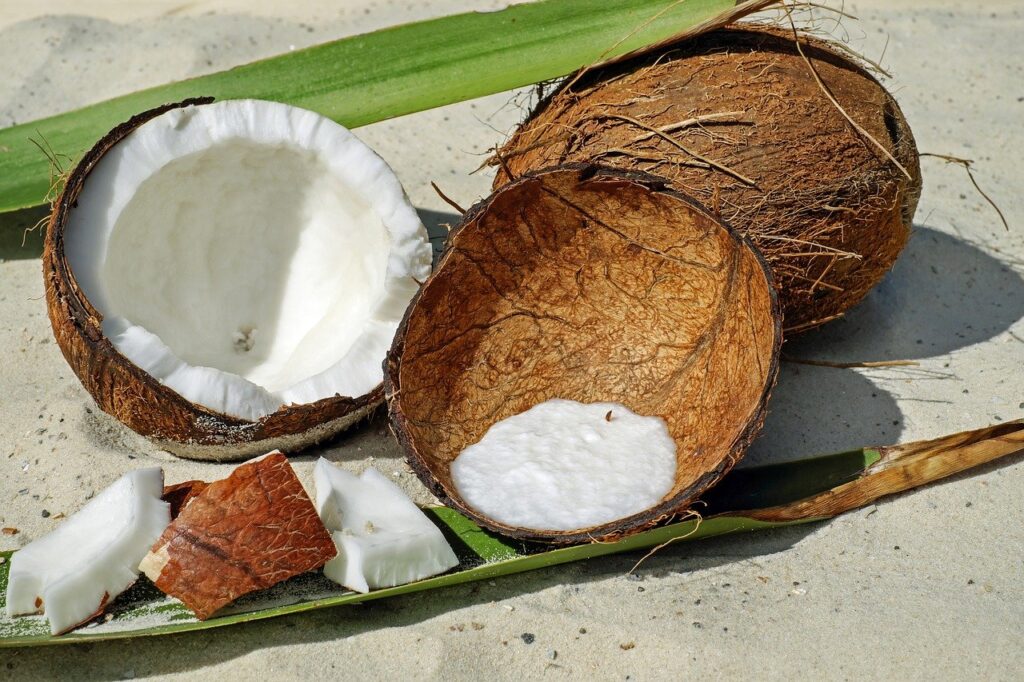
coconut, nut, shell-2637727.jpg

Athletes usually reduce their fat intake to make room for more carbs and protein - but following a low-fat diet can negatively impact your health in the long-run.

You need to have fat in your diet to be able to absorb important fat-soluble nutrients like vitamins A and D. Unfortunately many athletes are vitamin D deficient which can have a big impact on your training.

But remember - not all fat is equal. (3)

Avoid processed fatty foods high in saturated fat as these can trigger inflammation and slow your recovery.

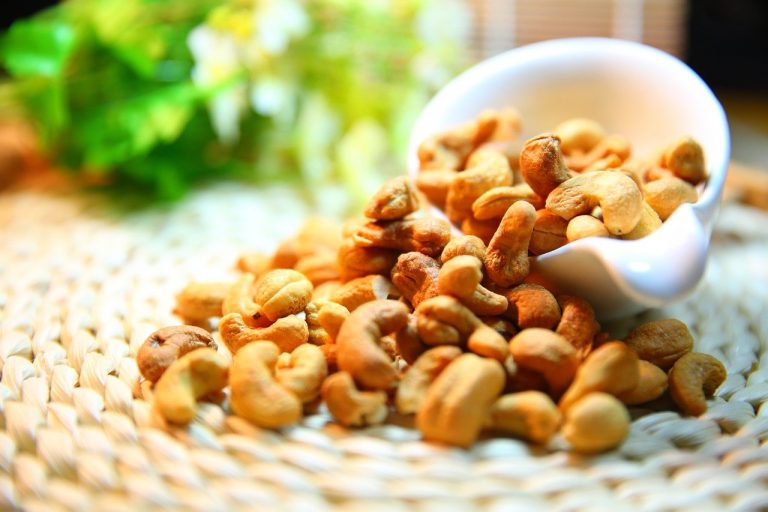
Focus on whole food fats such as nuts, seeds, avocados and the occasional splash of olive oil. Guacamole is a very easy way to get a dose of healthy fats every day!

Polyunsaturated fats like omega-3 are especially important for their anti-inflammatory properties (more on that below).

4. Omega-3

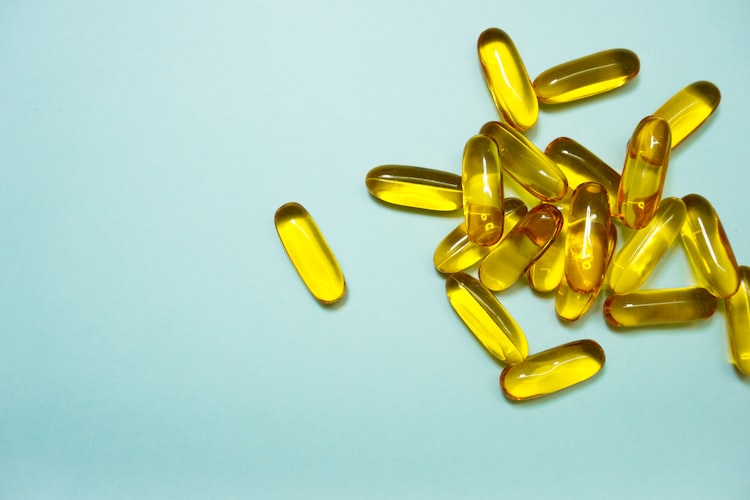
Omega-3 plays a very important role in muscle recovery.

This fatty acid is known to regulate muscle protein synthesis - which results in more stable muscle mass gains.

In effect, it helps your body to incorporate the protein you ingest into your muscles. (4)

Not only that - it’s a great anti-inflammatory which a lot of athletes need to reduce their recovery times. Athletes supplementing omega-3 have significantly lower rates of muscle soreness than those who don’t. (5)

The faster you recovery, the more you can train!

Some people need a lot more omega-3 than others so make sure to find out what dose of omega-3 is best for you.

5. Creatine

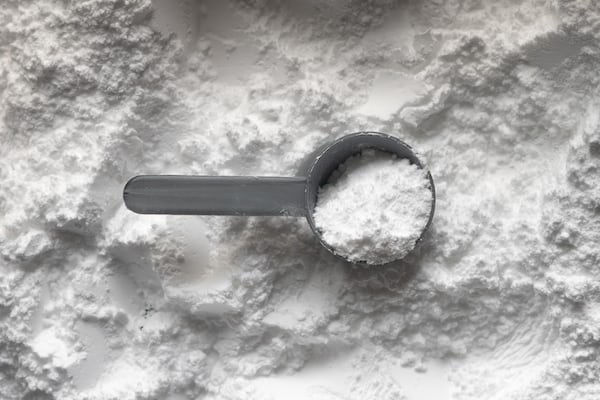
Creatine occurs naturally in our bodies and plays an important role in fuelling our muscles. People with higher creatine levels are able to lift more and recover quicker.

In one study, the average increase in weightlifting performance following creatine supplementation plus resistance training was 14% greater than the average increase in weightlifting performance following placebo ingestion! (6)

Creatine supplementation combined with complex training improved maximal muscular strength and reduced muscle damage during training in one study in healthy men. (7)

Emerging evidence suggests there are greater benefits in muscle gains when creatine is consumed after exercise compared to pre-exercise too. (8)

One word of warning if you’re supplementing creatine though…

Be sure to stay hydrated if you’re on creatine. Why? It tends to draw water towards your muscles, putting you at risk of dehydration.

What do my genes determine about my muscles?

gout, genetics, the genetic code-5450825.jpg

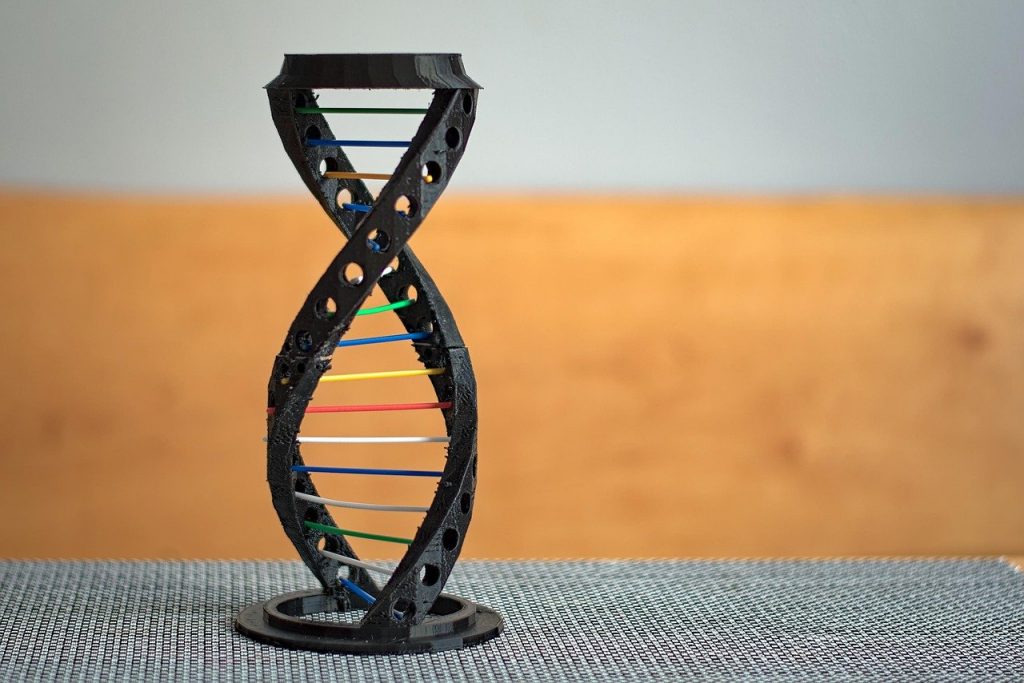
Genes play an important role in our health - and your muscles are no exception. In fact, there are at least 47 genes scientists believe play a role in muscle growth! (9)

One gene in particular actually determines the structure of our muscles: ACTN3.

Before we explain what this gene does, there are two different types of muscle fibre - slow-twitch and fast-twitch. As the names suggest, fast-twitch fibres are used for rapid activities like sprinting, and slow-twitch fibres for, well, slower activities that rely more on precision. (10)

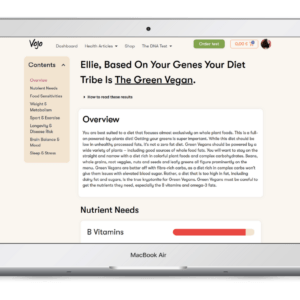
ACTN3 determines how many of each fibre type you have. Taking a DNA test can help determine what types of exercise will work best based on your ACTN3 gene.

What's the best diet when building muscle mass? The bottom line...

Building muscle requires two key ingredients: the right diet and the right training. You can’t have one without the other.

If you know your genes (such as your ACTN3 status) you can determine which supplements and forms of exercise your muscles need to grow optimally.

And it’s not just about trying to build muscle mass. Research shows that exercise has significant mental health benefits such as reducing anxiety and increasing mental alertness.

As we always say, everyone is different, and whether you’re looking to get an athlete’s physique, or simply feel healthy, Vojo is here to help!