Hands up if you’ve heard the question: ‘but where do you get your protein?’ Some people believe it’s difficult to get enough vegan sources of protein on a vegan diet. Especially if you do a lot of sport. We know that you need more protein than usual if you exercise a lot or want to build muscle. Here’s how many vegan sources of protein you should be eating.
Contents
Vegan Sources of Protein: Why You Should Care
People joke about protein deficiencies being impossible on a vegan diet.
And it’s true it’s difficult to end up with a full-on protein deficiency. But you do need to make sure you’re getting enough protein to support optimal tissue growth and repair.
If you do a lot of sport if you’re pregnant or breastfeeding you need much more protein than normal. Find out how to get all the protein and other nutrients you need on a vegan diet when you’re pregnant or breastfeeding.
Symptoms of Low Protein Intake
If you don’t get enough of the essential amino acids you could end up with symptoms such as hair loss, poor muscle recovery and sports injuries. Too little protein could stunt the growth of your baby if you’re pregnant or breastfeeding.
Are Complete Protein Sources Important?
Nope!
We place a lot of emphasis on eating complete proteins in the past. That means getting all your essential amino acids in one go.
But this theory has been disproven. It’s not important because we can gather the amino acids from a variety of plant foods to get everything we need.
The golden rule is to eat a variety of beans, pulses, whole grains, nuts and seeds each day.
Most plants are low in one of the essential amino acids:
- Rice is low in lysine and threonine.
- Maize is low in tryptophan.
- Wheat is low in lysine.
- Beans (except soya) are low in methionine or tryptophan – or both.
Soya beans are the only complete protein in a vegan diet. Quinoa, hemp and chia seeds come close.
The 11 Best Vegan Sources of Protein
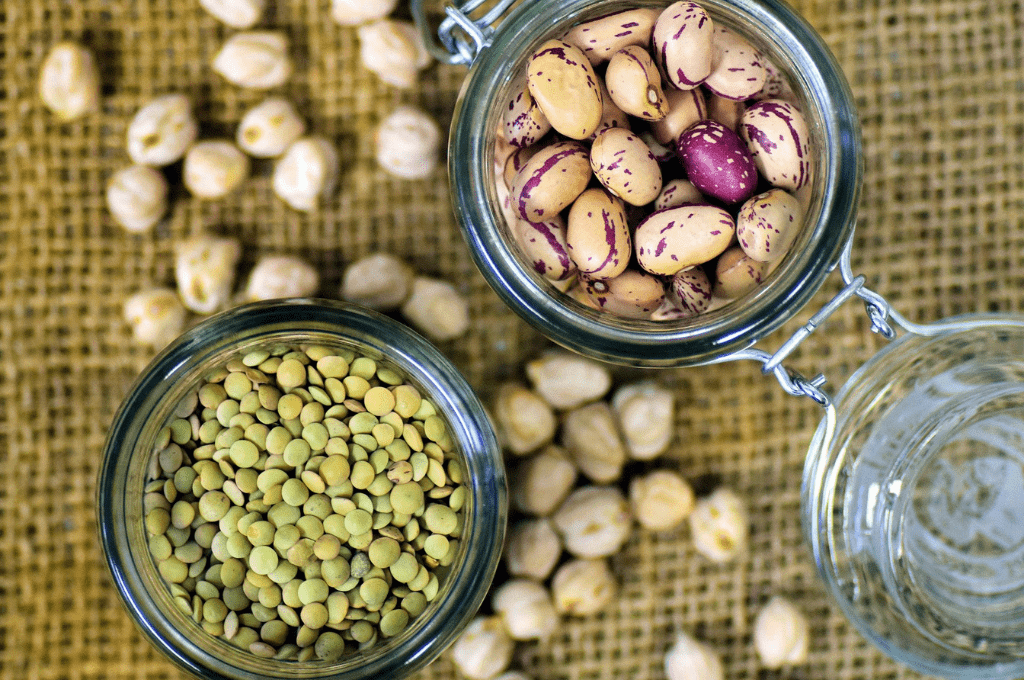
There are lots of protein sources on a vegan diet, but these are the ones you should consider including in your diet.
Here we’re focussing on your food options - which will be enough for the majority of people’s needs.
But there are also lots of protein powders you can include in your diet to add more protein too. This might be necessary if you’re a bodybuilder, for instance.
Let’s get on with the list!
1. Tempeh or Natto
20-21 g per 100 g serving
Soya beans are by far the best plant-based source of protein. And it’s not just because they are the highest in protein.
But here’s why you need tempeh or natto over other soy-based foods:
Both tempeh and natto provide twice as much protein than tofu.
Yup, you heard me right.
Tempeh and natto are fermented foods made from whole soya beans while you make tofu from curdled soya milk. In the process of making soya milk, you remove a lot of the bean pulp, taking much of the protein with it.
Luckily tempeh is started becoming popular and is now available in many supermarkets. Natto, on the other hand, isn’t very popular in the West - but you can make it yourself quite easily.
2. Firm Tofu
13 g per 100 g serving
Tofu is still the next best vegan source of protein. Tofu should be a staple in your diet.
The amount of protein in firm tofu varies slightly depending on the brand but tends to be around 13 g protein per 100 g tofu. It’s pretty easy to eat at least 150 g tofu in one go, so that’s at least 20 g protein in a meal!
Trying to think of creative ways to spice up your tofu? Try some of these easy recipes:
Brand | Protein per 100 g |
Cauldron Original | 12.6 g |
Tofoo Naked | 12.6 g |
Taifun Natur | 13.3 g |
3. Lentils
13 g per 50 g dry
Always keep a variety of lentils stashed in your cupboards at all times. They’re cheap to buy in bulk, they’re also one of the best plant-based sources of iron, and they’re so easy to store. There’s no excuse!
Of course, using lentils in dahls and stews etc. is a given. But did you know that split-red lentils are an excellent high-protein ingredient in baking too?
I know adding lentils to a cake sounds crazy. But trust me when I say it works. Lentils are a great binder in vegan and gluten-free baking too.
Try some of these recipes and see for yourself:
4. Seitan
10-20 g per 100 g serving
Seitan is the name for meat substitutes made with pure gluten. You can buy them in the supermarket or make them yourself using vital wheat gluten.
Pure gluten provides 37 g protein per 100 g - but most seitan products have added ingredients. Depending on the product, they provide 10-20 g protein per serving. Wheat is low in the amino acid lysine - which you can get from beans and pulses.
Some people shouldn’t eat seitan. Find out if seitan is good for you here.
Remember, seitan products are processed foods and will probably contain not so healthy ingredients like sunflower oil and flavourings. If you’d rather stick to whole foods skip on the seitan.
5. Mycoprotein
10-20 g per 100 g serving
Mycoprotein is a sustainably grown vegan source of protein. It doesn’t require any land space or other resources as it’s grown indoors.
The main ingredient of mycoprotein is a fungus called Fusarium venenatum. It naturally occurs in the soil. Mycoprotein is grown by fermentation, feeding the fungus with carbohydrates like wheat and maize.
Like seitan, pure mycoprotein is very high in protein. But unlike seitan, mycoprotein is also a good source of riboflavin, folate, vitamin B12, phosphorous, zinc, choline and manganese.
However, many mycoprotein products are processed and can contain lots of added ingredients which may not be good for you. Check the label before buying.
Also, some mycoprotein products might contain egg or milk protein so may not be vegan. However, other products are completely vegan and don’t have eggs or milk. Many Quorn products are now vegan.
6. Hemp Seeds
9.5 g per 30 g serving (hulled)
7.5 g per 30 g serving (unhulled)
14 g per 30 g serving (protein powder)
Hemp seeds are a source of healthy omega fatty acids as well as being one of the best vegan sources of protein. A 30 g serving of whole seeds is about three tablespoons.
Hulled hemp seeds are high in protein because they’ve had their fibrous hunk removed - but may be prone to oxidation which can degrade the omega-3. Whole hemp seeds are a bit lower in protein but preserve the nutrients better.
Hemp protein powder is highest in protein but is even more prone to oxidation. It’s lower in protein than other more refined protein powders like soya protein powder.
Hemp is close to being a ‘complete protein’ but is still low in lysine. But you can get lysine from other foods, so it doesn’t matter much.
7. Pumpkin seeds
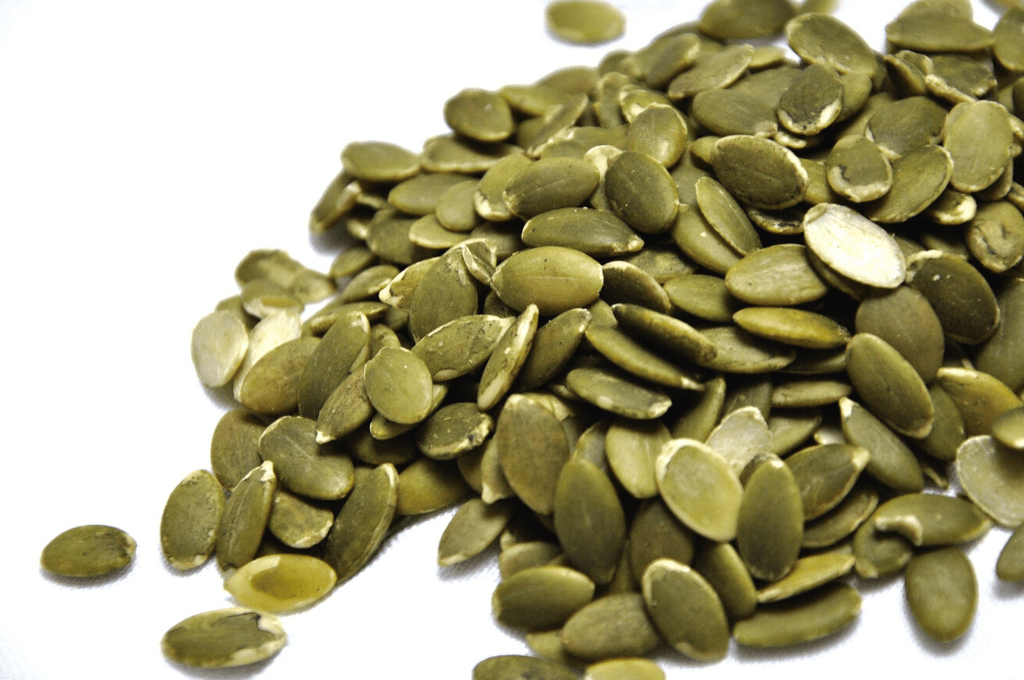
9 g per 30 g serving
Pumpkin seeds are the highest seed in protein after hulled hemp seeds with a whopping 9 g protein per 30 g serving! That’s two tablespoons.
Always have pumpkin seeds stocked in your cupboards. You can:
- Eat them straight
- Roast them for a tasty snack
- Add them to salads
- Make pumpkin seed pesto.
- Add them to sourdough bread
8. Beans
7-9 g per 100 g serving (cooked)
Beans provide lots of protein as well as many other crucial nutrients like zinc, magnesium and iron.
All beans are high in protein. But the beans highest in protein per 100 g cooked beans are:
- Black beans (9 g)
- Pinto beans (9 g)
- Kidney beans (8 g)
- Butter beans (8 g)
- Chickpeas (7 g)
Although chickpeas are lower in protein compared to other legumes using chickpea flour (also called gram flour) is a great way to boost the protein content of your meals.
Try these high-protein recipes using chickpea flour:
9. Peanut Butter
8 g per 2 tbsp serving
All vegans should eat peanut butter (as long as you’re not allergic).
Here’s why:
- Peanuts are high in both protein and lysine - the amino acid missing from most grains and seeds.
- Peanuts are high in biotin, which we need for healthy hair growth. Biotin is mostly found in animal foods, so vegans should take extra care to get enough biotin from their diet. Find out the seven main reasons for hair loss on a vegan diet here.
- Peanuts are high in the amino acid arginine, which has many health benefits. Find out why arginine is good for you here.
10. Soya Milk
7 g per 200 ml serving
Soya milk is another excellent way to boost your protein intake. A 200 ml cup of soya milk gives you 7 g protein. Compare that to 200 ml oat milk providing 1-3 g protein.
There are lots of scaremongering myths about the ‘dangers’ of soya milk. But as long as you buy the right kind of soya milk, it’s very good for you. Find out which to buy here.
If you’re preparing soya beans from scratch be aware they are high in iron inhibitors such as phytic acid. It’s essential to make them correctly to reduce the inhibitors and increase the bioavailable iron. Get our recipe for homemade soya milk.
11. Quinoa
7 g per 50 g dry
Who would be without quinoa on a plant-based diet? This hearty pseudo-grain is a fantastic source of protein and other nutrients like iron.
You can batch cook it and add it to lots of recipes like:
- Veggie burgers
- Salads
- Falafels
- As a side

Personalise Your Plant-Based Diet
By signing up you agree to our T&Cs and Privacy Policy.
Conclusion
There are so many good vegan sources of protein to choose from. You probably don’t need to supplement extra protein powder as long as you’re eating a balanced vegan diet. But if you’re doing a lot of strength training it could be helpful to add protein powder to your diet.
There are lots of other vegan sources of protein we didn’t include in this list like frozen peas and spirulina because they provide lower amounts per serving. So if you’re eating most of the foods on this list as well as some others you’re probably getting more than enough protein.
Remember to check how much protein you need to suit your lifestyle.