




Do you ever get muscle pain a day or so after exercise? It’s probably delayed-onset muscle soreness.

It’s a pain (literally!) to live with delayed-onset muscle soreness because it can stop you exercising as much as you’d like to.

Learning how to reduce delayed-onset muscle soreness is very important to keep up with your exercise schedule - whether you’re exercising to manage your weight or training for a marathon.

So, let’s dive right in with our ultimate guide on how to reduce delayed-onset muscle soreness in 9 easy evidence-based steps!

How to Reduce Delayed-Onset Muscle Soreness: 9 Easy Steps

Diet

1. Eat before longer training sessions

When you train fasted you’re starting out with low energy stores - also called glycogen stores. Training for longer than 1 hour generally depletes your glycogen stores.

Depleting glycogen stores have the biggest impact on increasing IL-6 levels (1).

In other words, when you run low on glycogen (i.e. literally ‘running on empty’) your body’s inflammation hormones go sky high.

Summary

Eat before training. Exercising fasted can increase inflammation.

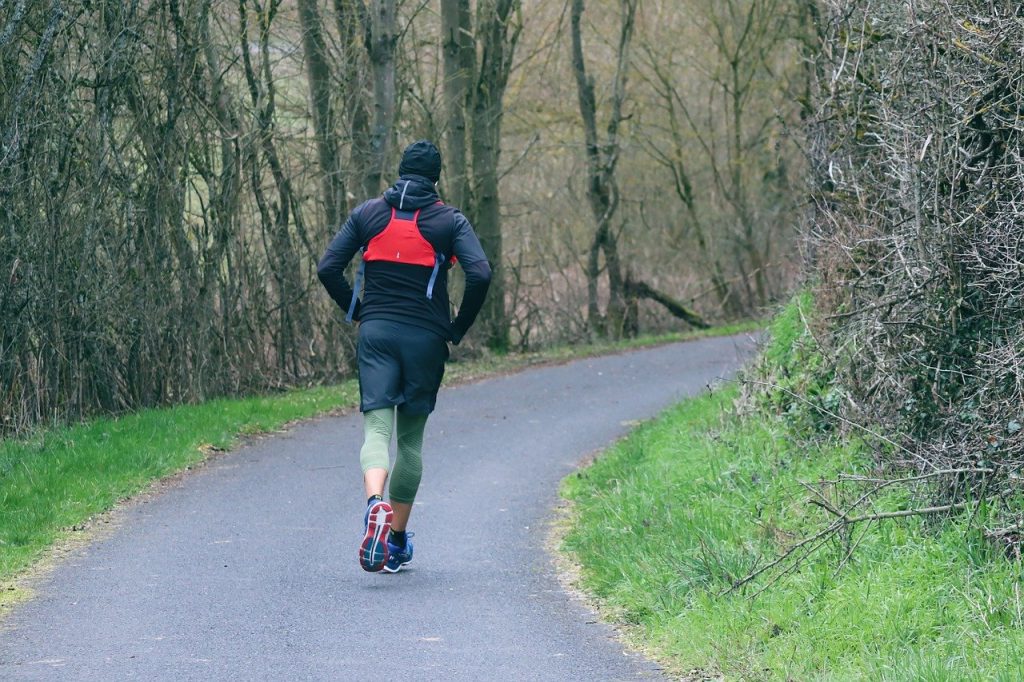
2. Eat during endurance exercise

jogging, jogger, sports-4910487.jpg

Eating at the right times around your training is a really important technique in how to reduce delayed-onset muscle soreness.

If training fasted, eat a source of healthy carbohydrate during aerobic exercise like running or cycling when exercising for more than two hours.

Also, eating before ‘hitting the wall’ has been shown to help prevent high inflammation levels and could help you recover more quickly (2).

Summary

Eat before 'hitting the wall' to reduce inflammation and improve recovery.

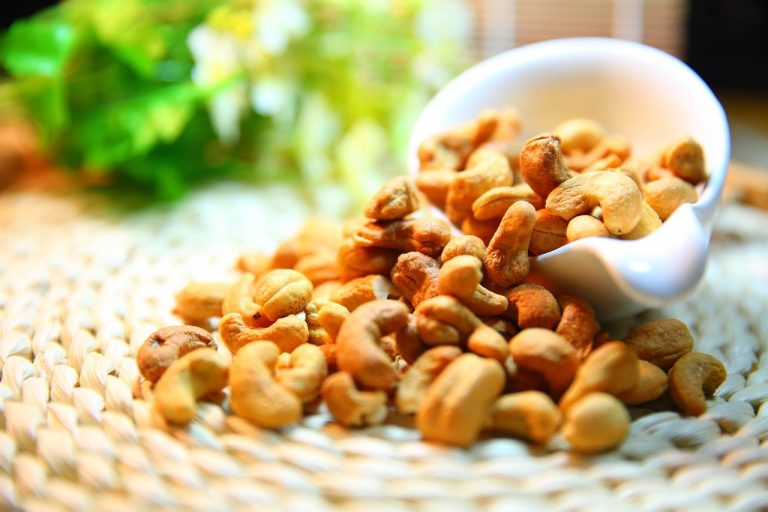
3. Eat lots of colourful fruit and veg

Eat a diet rich in colourful plant-based foods to combat muscle damage from inflammation.

Your body releases IL-6 in response to the muscle damage caused by free radicals (3-5).

But you can reduce the number of free radicals released in your muscles due to exercise by eating the right anti-inflammatory foods.

Foods high in antioxidants (like vitamin C, vitamin E and phytonutrients) reduce the number of damaging free radicals in your body. This calms the inflammatory IL-6 response.

Try to eat one of each of these colours every day to get a variety of anti-inflammatory nutrients.

Summary

Eat a variety of colourful fruits and vegetables each day.

Supplements

4. Take magnesium

pills, medication, tablets

Try supplementing magnesium after exercise.

Studies show a dose of 500 mg/day magnesium reduces inflammatory IL-6 levels and reduces muscle soreness after strenuous exercise (6).

You can’t overdose on magnesium. But some forms of magnesium (like magnesium citrate) can cause diarrhoea at higher doses.

We recommend magnesium bisglycinate because it’s absorbed much better than other forms of magnesium - plus it doesn’t cause gut discomfort at higher doses.

Summary

Supplement 500 mg magnesium every day.

5. Eat more turmeric (or curcumin)

The active ingredient in the spice turmeric is called curcumin.

Curcumin is great at fighting free radicals and reducing post-exercise inflammation. In fact, 2.5 g twice per day is shown to significantly reduce muscle pain 24 hours and 48 hours after exercise.

Also, curcumin actually raises IL-6 levels during exercise (when you need it) but reduces them 24 hours after. So, this suggests curcumin helps muscle adaptation (7-8).

Summary

Supplement curcumin or eat lots of turmeric before and after exercise.

6. Supplement omega-3 as DHA

capsule, capsules, cod

Not all omega-3 is made equal.

The type of omega-3 in seeds is called ALA, which is good for you - so you should make sure you’re eating enough ALA.

But to combat delayed-onset muscle soreness you need omega-3 as DHA and EPA.

Some people with certain genes can make DHA and EPA from ALA in their body. But others will need to supplement.

Studies show supplementing EPA and DHA can stop inflammation levels going too high and protect your muscles from damage after exercise (9-11).

Check out our interview with DHA expert Dr Richard Bazinet on YouTube!

Summary

Check your genes and supplement DHA and EPA as algal oil if you need to.

Other Techniques

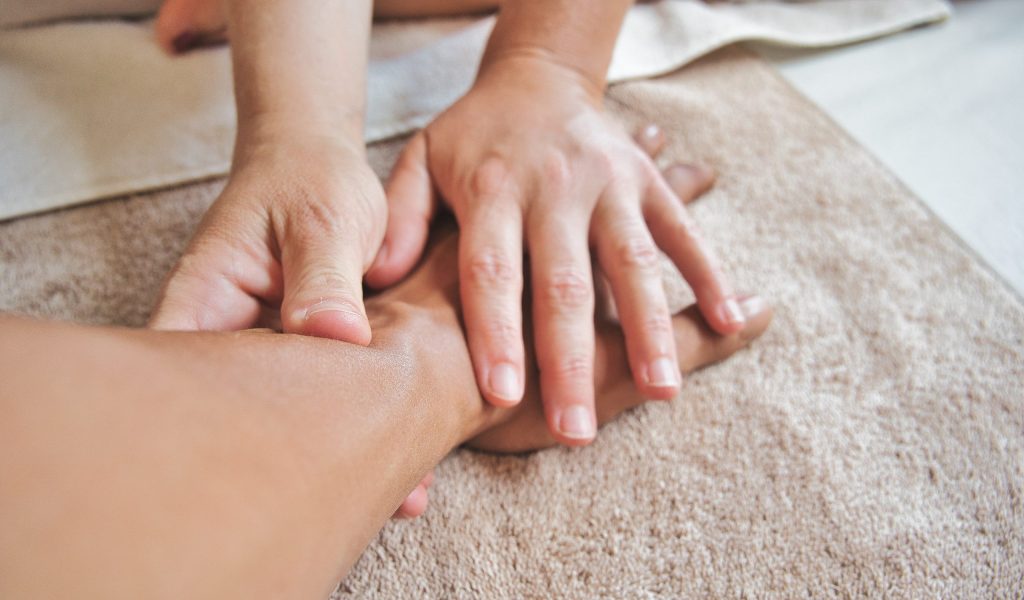
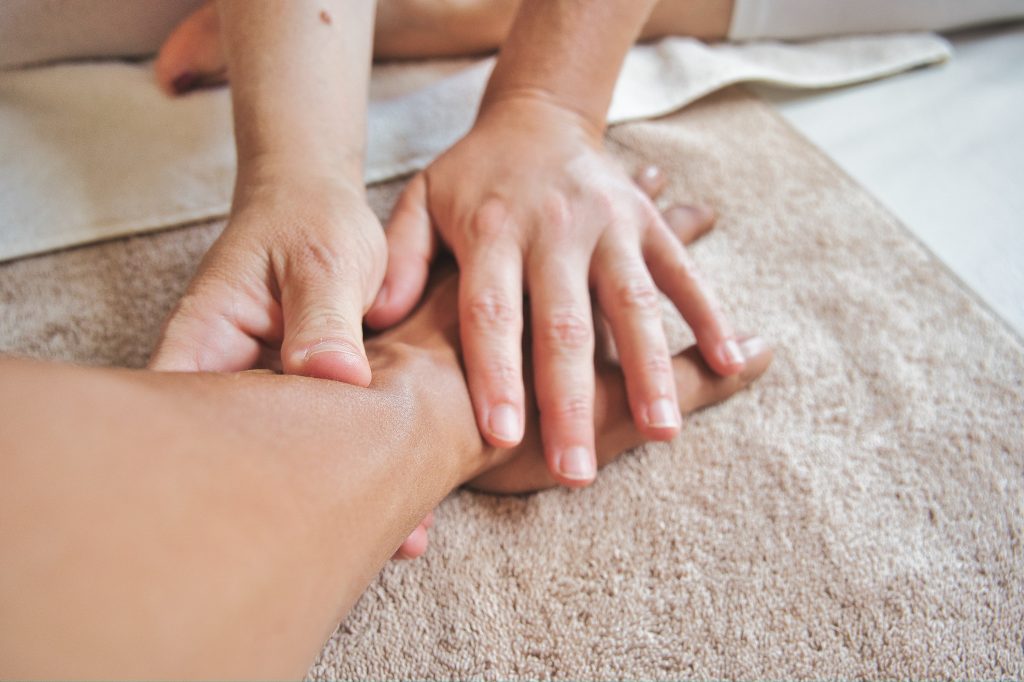
7. Get a sports massage

Studies show massage can significantly reduce IL-6 and C-reactive protein (CRP) levels after exercise (12).

CRP is the main way we measure whole-body chronic inflammation in blood tests. High levels are never a good thing. So reduce your levels through having a relaxing massage!

Summary

Massage can reduce post-exercise inflammation levels.

8. Have cold showers after exercise

Cold exposure - such as being immersed in cold water - after exercise may also help reduce inflammation.

But some studies suggest cold water immersion might not be more effective than active recovery (gentle warm-down exercises) (13).

Summary

Try a cold shower or bath directly after exercise.

9. Take lemon verbena

Although lemon verbena doesn’t seem to affect IL-6 levels, studies show taking lemon verbena extract may help you recover more quickly after exhaustive exercise (14).

Summary

Try supplementing lemon verbena.

How to Reduce Delayed-Onset Muscle Soreness: Wrap-Up

Some people are more susceptible to delayed-onset muscle soreness than others. It depends on your genes.
Luckily there are many evidence-based techniques you can incorporate into your life to reduce delayed-onset muscle soreness - so you can keep exercising pain-free!

By knowing your genes you can know exactly what to do to reduce muscle pain and improve your training.