

If you don’t eat the best foods for longevity, you’re more likely to die sooner.
I’m not joking. Scientists say you can add years to your life by eating more of the right foods.
Here are the best foods for longevity (and the worst), as confirmed by longevity scientists.
5 Best Foods for Longevity
1. Plant-based foods
One of the “Blue Zones” is a little island in Japan called Okinawa.
The Blue Zones are populations with the world’s longest-lived people and the lowest risk of age-associated diseases.
The Okinawans eat a plant-based diet. 80% of their calories come from vegetables, whole grains, fruits, and beans. (1) They’ve been eating like that for centuries, and we’re only just catching up.
We now know plant-based foods can reduce the risk of heart disease, diabetes, and even death. (2)
Plant-based vs whole food
When I say ‘plant-based’ I don’t mean ultra-processed Beyond Burgers and plastic “cheese”. I mean whole foods like whole grains, vegetables, fruits, nuts, seeds, beans, and lentils. (3)
Yes, processed plant-based foods are usually fortified with the vitamins you need. But it’s the non-essential nutrients - the ones we don’t add back in - which can help you thrive.
For example, flavonoids are a type of antioxidant found in fruits and vegetables. Their anti-inflammatory and antioxidant action can reduce insulin resistance and prevent diabetes. (4)
Mediterranean diet
Enter the most-studied diet, ever: the Mediterranean Diet. It’s plant-based (plus two portions of fish per week). And it includes a lot of the best foods for longevity.
People who follow the Mediterranean diet have slower biological ageing. Scientists think it’s because of all the anti-inflammatory, antioxidant polyphenols. (5)
But it’s not only the polyphenols that matter.

Plant vs animal protein
Meat is high in an amino acid, which might be bad for us in high doses, called methionine.
In fact, rats fed a diet with 80% less methionine lived 40% longer than rats fed a control diet. (6)
Animal studies show limiting methionine might:
- aid weight loss
- increase insulin sensitivity
- decrease inflammation and oxidative stress
- extend lifespan
- inhibit cancer cell growth (7)
All this research gave birth to a new longevity diet: Methionine Restriction. (8) (Not the sexiest name, but perhaps it’ll get a better PR strategy soon.)
In any case, eating too much protein increases the “acid load” of your diet - linked to insulin resistance. (9)
All in all, getting your protein from plant-based foods like beans, lentils and whole grains instead of animal foods is best.
2. Seeds
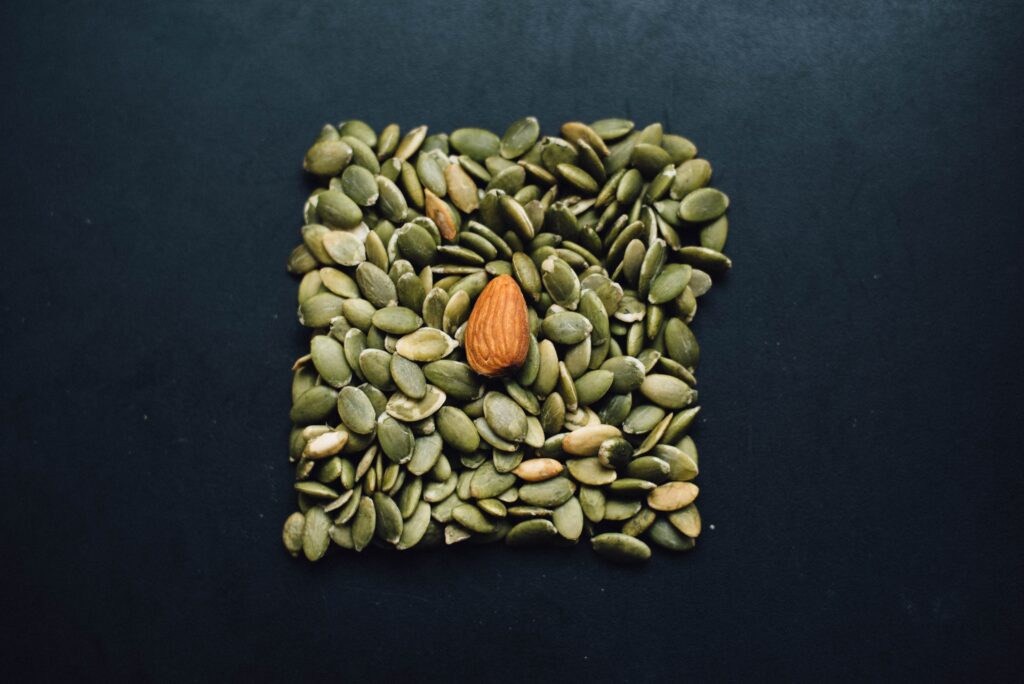
By ‘seeds’ I don’t just mean sunflower and pumpkin seeds. Seeds are anything you plant in the ground to grow a new plant. So, if we’re being scientific about it, seeds also include grains, pulses, and nuts.
Seed protection
Seeds are the most antioxidant-rich foods of all. They’re technically plant eggs - little packets of DNA containing the code to grow a plant.
The outer layer of the seed’s job is to protect all that plant DNA and promote longevity. So, grains, pulses, and nuts are naturally rich in antioxidants - which is good for our longevity too. (10)
So it’s no surprise that eating more nuts, seeds, and whole grains leads to longer telomeres and slows ageing. (11)(12)
Rye grain: the breadwinner?
Professor Olsen from the Danish Cancer Society decided to find the best foods linked to a long life. It turned out that eating more of one food, in particular, slowed ageing the most: whole grain rye bread. (13)
The problem is most Westerners don’t eat rye. Instead, most people get their daily grains from breakfast cereals.
So, if you want a few years on top of the average Westerner, add rye bread to your diet.
3. Coffee
If you like a good health excuse to drink coffee as much as I do, you’re in luck.
People who drink 3-6 coffees per day have a younger biological age than their real age - almost 6 years younger. (14)
And it’s easy to see why.
Caffeic acid superpowers
Coffee contains lots of antioxidants. Caffeic and dihydrocaffeic acids are the main ones that seem to promote longevity.
These antioxidants may activate genes that increase your resistance to stress. The genes are related to insulin, insulin-like growth factor, and sirtuin - known to be involved in ageing. (15)
Coffee and disease protection
Drinking coffee is linked to improvements in type 2 diabetes, depression, and obesity. Drinking coffee for years may protect you from Alzheimer’s, cancer, and liver disease. (16)
The coffee lifestyle?
Having said all that, drinking coffee or tea wasn’t linked to a higher chance of living to 90 years old. (17)
[NOTE: This was an observational study, meaning people were observed following their natural coffee-drinking habits. Good studies need an intervention and the subjects can’t know what they’ve received. But it’s difficult to design clinical trials with coffee because you can’t hide people from the fact they’re drinking, well, coffee… ]
Coffee, NOT caffeine
Coffee isn’t always good for you.
If you’re prone to caffeine shakes or caffeine-induced anxiety, I have good news. Decaffeinated coffee is just as good because the health effects are nothing to do with caffeine. (18) It’s all antioxidants.
In fact, caffeine might not be good for ageing at all…
One study found higher caffeine intake was linked to shorter telomeres. (But this could be the sugar from caffeinated energy drinks and sodas, rather than caffeine itself). (19)
Risks of a caffeine-fueled life
My partner can easily drink 5 cups of (strong) coffee a day. Personally, I’m good with 1-2 cups a day. Any more and I get caffeine anxiety.
Others are at risk of high cholesterol levels if they drink too much filter coffee.
What I’m trying to say is we’re all different, and that’s crucial to realise before guzzling 5 cups of coffee to get your 5.6 extra biological years. Some people metabolise caffeine slowly, meaning coffee could actually be more harmful to their health - and even shorten their lifespan.
Coffee may be one of the best foods for longevity, but if you get anxiety, insomnia, headaches, tremulousness, or palpitations, try cutting down on your caffeinated coffee.
4. Omega-3
“People shaved 2-6 years off their biological age by eating fatty fish three times a week,” says Dr Stefan Enroth from Uppsala University. “As well as drinking coffee and exercise,” he adds. (14)
It’s not just Dr. Enroth who found this. Eating more omega-3 has been linked to a younger biological age in multiple studies. (20)
It’s clear why omega-3-rich foods are the best foods for longevity…
A recipe for ageing: inflammation and insulin
Omega-3s have been shown to reduce two big risk factors in ageing - inflammation and insulin resistance. (21)
But we can’t confirm it’s just the fish. People who eat fish tend to eat more oats and berries and drink less soda - all linked to living a healthier, longer life. (14)
Thanks for all the fish, but what about all the nuts?
If you’re vegan or vegetarian, there are other options for your omega-3.
Nuts and seeds also give you essential omega-3, and algal oil supplements are convenient if you’re not getting enough from food. (22)
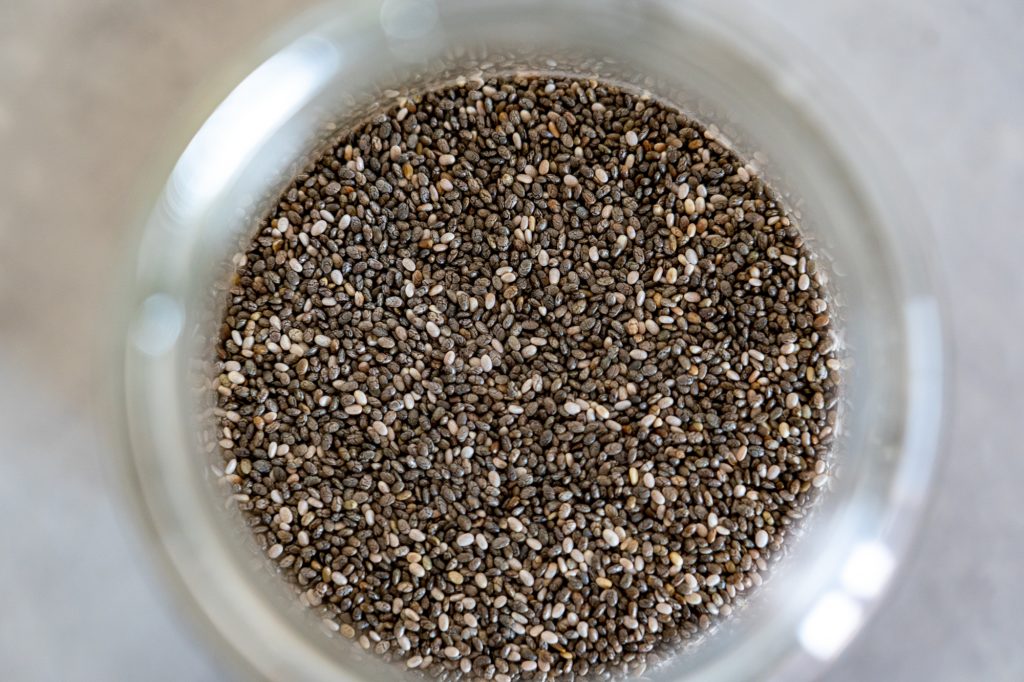
Include 1-2 tablespoons of chia seeds or flaxseeds every day to get your omega-3 if you’re veggie.
It’s all relative
Some people need more omega-3 than others, and it depends on your genes. (Especially if you have the Alzheimer’s gene.)
But even then, it might not be the absolute amount of omega-3 you eat that matters.
You could be eating your dose of anti-inflammatory omega-3 every day, but it’s useless if you’re getting too much pro-inflammatory omega-6.
What really counts is how much omega-3 you’re getting relative to omega-6: your Omega-6/3 ratio.
Going back to our friends in Okinawa, they have a low omega-6/3 ratio, meaning they get more omega-3 than omega-6. (23) This keeps them in an anti-inflammatory state (while still getting their essential omega-6s.)
Omega-6: too easy
This sounds simple enough, right? Just avoid too much omega-6. Done.
But omega-6 is everywhere. Most processed foods contain vegetable oil, which is high in omega-6.
Not only is it bad for longevity, but omega-6 can also affect your mood, skin, and gut.
This is one of the (many) reasons avoiding ultra-processed food and eating more whole foods are the best foods for longevity.
5. Carotenoids
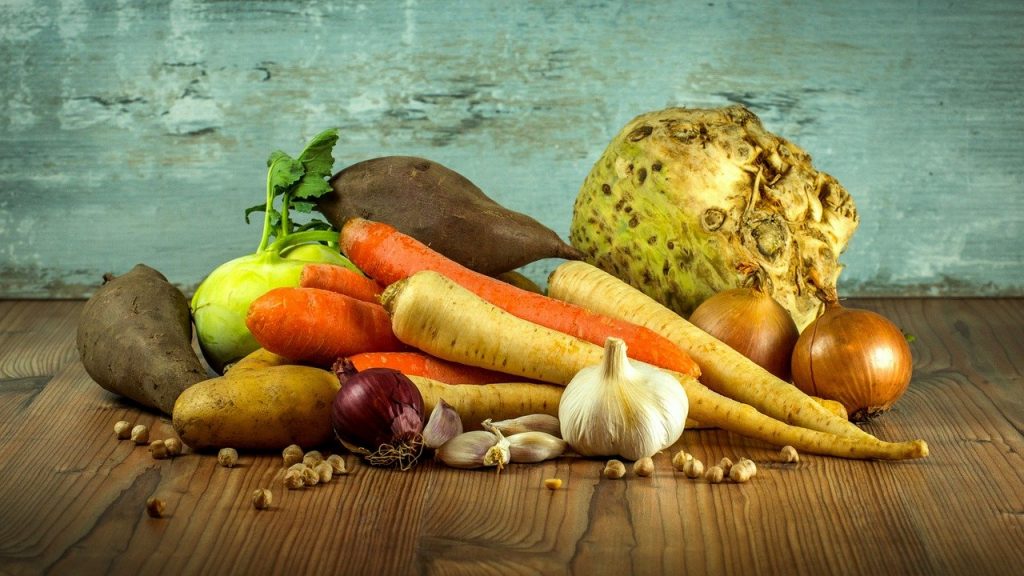
Foods high in carotenoids are among the best foods for longevity.
Longevity scientists discovered those with the longest telomeres had higher levels of carotenoids. (24)
Carotenoids are potent antioxidants. (25) (You’ve probably heard of at least one carotenoid: beta-carotene. Humans need it to make vitamin A. But there are loads more.)
Better eyes
The scientists looked at two carotenoids in particular: lutein and zeaxanthin.
Supplementing them may reduce your risk of age-related macular degeneration (AMD) - an eye disease where your retina breaks down - by 25%.
However, supplementing these carotenoids only reduced the risk of AMD in people who didn’t eat many carotenoid-rich foods.
Turning orange
Ever wondered why carrots, sweet potatoes, lobsters, krill, and flamingos are orangey-red? Yup, it’s the carotenoids.
Carotenoids are red, orange, and yellow pigments made by plants, algae, plus some fungi and bacteria.
They’re fat-soluble, so they accumulate in fatty tissues. That’s why animals who eat a lot of carotenoid-rich algae are an orange-red colour. Likewise, if you drink a lot of carrot juice your skin goes orange.
Animals can’t make them, but they’re essential nutrients, so they have to get them by eating plants or algae.
Eat your greens (and oranges)
It’s not only orange, red, and yellow fruits and vegetables that provide carotenoids - one of the best sources are leafy greens. (25)
Green? Yep, leafy greens are full of carotenoids, but the orange colour is masked by the stronger, green chlorophyll pigments. So if it wasn’t for all the chlorophyll, leafy greens would actually be, well, orange…
Orange spinach, anyone?
3 Foods to AVOID for longevity…
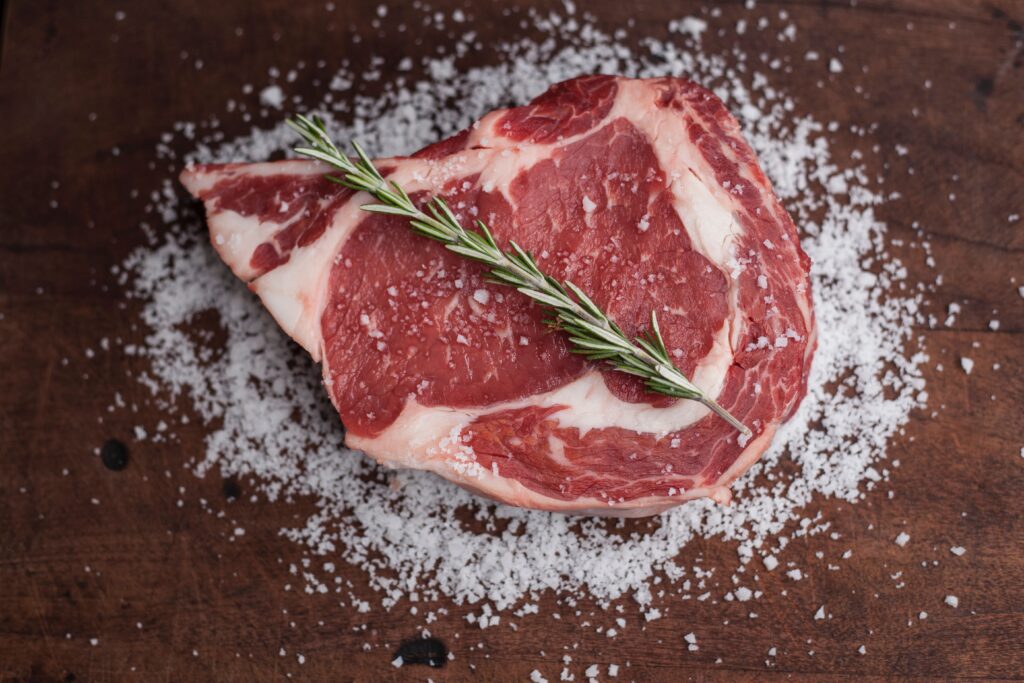
There’s no point in eating the best foods for longevity if you continue to eat the worst.
Here are the foods you want to avoid at all costs if you want a long life.
1. Sugar-sweetened beverages
Insulin resistance is one of the main factors in ageing, so reducing your sugar intake is a must for a long life.
Sodas and drinks with added sugar can increase your predicted age by 2-6 years.
Most of us get most of our sugar from drinks, so cutting these out is the first step.
2. Meat
Eating lots of red and processed meat is linked to dying earlier. (3)
The most common cancer that kills us is colorectal cancer. Eating more heme-iron from meat increases our levels of n-nitroso compounds, which are linked to colon cancer. (26) It can also increase your risk iron-overload syndrome. Go for non-heme iron instead.
Meat’s also high in polycyclic aromatic hydrocarbons (PAHs), which are also linked to faster ageing. (27)
3. Ultra-processed foods
Ultra-processed foods (UPFs) are so refined that they’ve had the life taken out of them. What’s left is simple carbs (sugar), oil, and additives.
UPFs increase your risk of insulin resistance, inflammation, and diabetes. Plus they have practically no minerals, vitamins, or fibre important for a long life. (28)
The best non-foods for longevity
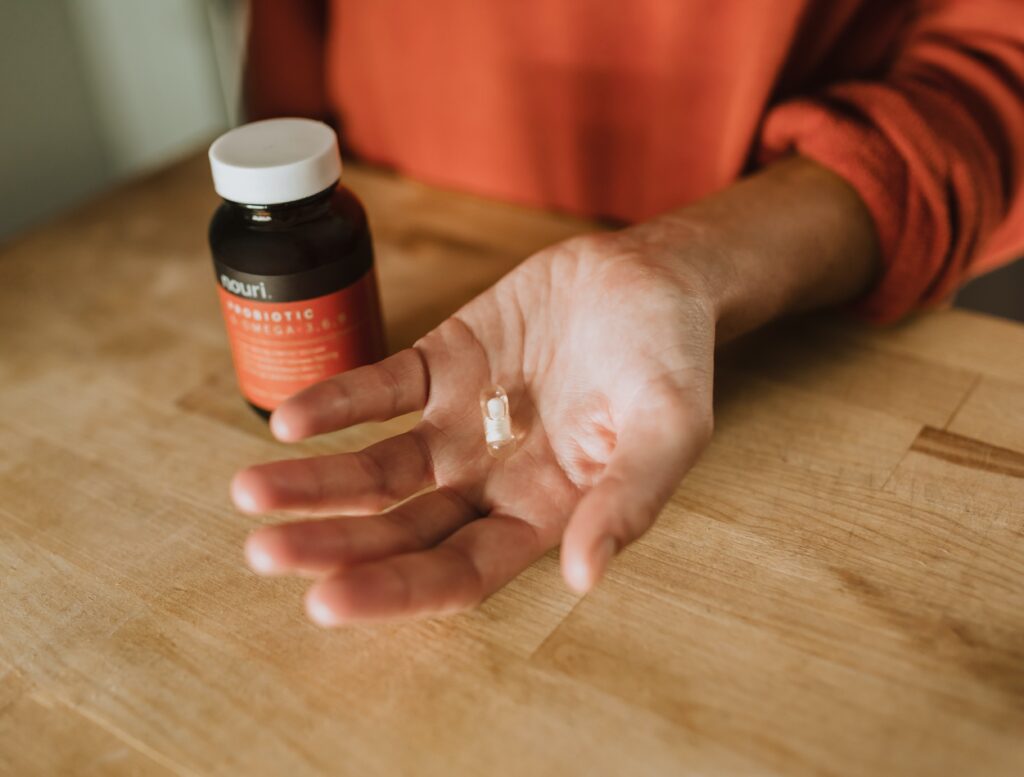
For those of you longevity nerds who want a bit more, here are a few science-backed non-food tips.
Supplements
Vitamin D can bring down your biological age by 2.6 years - but only if you were deficient before. (29) It’s hard to get enough vitamin D from sunlight, so I recommend supplementing to avoid a vitamin D eficiency.
Sulforaphane helps your body make glutathione, your body’s chief antioxidant. (If you’re into sprouting, the best natural source of sulforaphane is broccoli sprouts.)
Alpha-ketoglutarate is an antioxidant that regulates gene expression and can detoxify ammonia. (30)
Exercise
People who exercise and sleep well (read: aren’t stressed) age more slowly. (20) I recommend doing the bare minimum of 30 minutes of exercise per day. Doing it in the morning can also help regulate your circadian rhythm for better sleep.
How we measure ageing
Humans live too long to study them until they die. Instead, we developed ageing biomarkers to monitor biological age. (31)
DNA methylation
Scientists can estimate how quickly you’re ageing by measuring the speed of DNA methylation in your cells. (29) DNA methylation is how your body switches good or bad genes on and off. (32)
Telomere length
Telomeres are bits of DNA at the ends of your chromosomes that protect your genes.
Your telomeres get shorter as you age, making them a good biomarker of ageing. The shorter your telomeres, the lower your life expectancy.
Two things make your telomeres shorter: oxidative stress and inflammation. (33) Reducing these two is our primary focus to slow ageing and live a long healthy life.
The bottom line
Eating the right foods is crucial for longevity.
Your genes partly can determine whether you’re prone to faster ageing than others. (20) Look at your family history: did your parents or grandparents have similar health issues? If so, following these guidelines may be especially important for you.
If you’re not getting all the nutrients here from food, make sure to supplement them for a longer, healthier life.
References
- https://pubmed.ncbi.nlm.nih.gov/20234038/
- https://pubmed.ncbi.nlm.nih.gov/31705483/
- https://pubmed.ncbi.nlm.nih.gov/31631676/
- https://pubmed.ncbi.nlm.nih.gov/30746536/
- https://pubmed.ncbi.nlm.nih.gov/35390726/
- https://pubmed.ncbi.nlm.nih.gov/8429371/
- https://pubmed.ncbi.nlm.nih.gov/32138282/
- https://pubmed.ncbi.nlm.nih.gov/34518687/
- https://pubmed.ncbi.nlm.nih.gov/29762478/
- https://pubmed.ncbi.nlm.nih.gov/28086196/
- https://pubmed.ncbi.nlm.nih.gov/28244560/
- https://pubmed.ncbi.nlm.nih.gov/27566558/
- https://pubmed.ncbi.nlm.nih.gov/21346102/
- https://pubmed.ncbi.nlm.nih.gov/26619799/
- https://pubmed.ncbi.nlm.nih.gov/33802064/
- https://pubmed.ncbi.nlm.nih.gov/29474816/
- https://pubmed.ncbi.nlm.nih.gov/32329900/
- https://pubmed.ncbi.nlm.nih.gov/34731744/
- https://pubmed.ncbi.nlm.nih.gov/27281805/
- https://pubmed.ncbi.nlm.nih.gov/30669119/
- https://pubmed.ncbi.nlm.nih.gov/29324650/
- https://pubmed.ncbi.nlm.nih.gov/27496755/
- https://pubmed.ncbi.nlm.nih.gov/9246358/
- https://pubmed.ncbi.nlm.nih.gov/24428184/
- https://pubmed.ncbi.nlm.nih.gov/23858095/
- https://pubmed.ncbi.nlm.nih.gov/21669488/
- https://pubmed.ncbi.nlm.nih.gov/29906262/
- https://pubmed.ncbi.nlm.nih.gov/17101959/
- https://pubmed.ncbi.nlm.nih.gov/35562603/
- https://pubmed.ncbi.nlm.nih.gov/35778957/
- https://pubmed.ncbi.nlm.nih.gov/34847066/
- https://pubmed.ncbi.nlm.nih.gov/30419258/
- https://pubmed.ncbi.nlm.nih.gov/31728493/


How To Get Rid of Heartburn (Without Harmful Meds)
Getting a burning feeling in your chest or throat? You probably have heartburn. (1) Knowing how to get rid of
The Best Nutrition To Stop Feeling Crap Post-COVID
Feeling crap since COVID? Here’s the most up-to-date research on the best nutrition for post-COVID symptoms.
No More Pains! Eat These 7 Good Food For a Pain-Free Period
NO, period pains are not a normal part of ‘being a woman’. In this article, I go through the top good food for period pains.