Do you ever feel more anxious after an evening of drinking alcohol? You’re not alone.

It’s a problem that many people face - and luckily there are natural ways to deal with this hangover side effect.

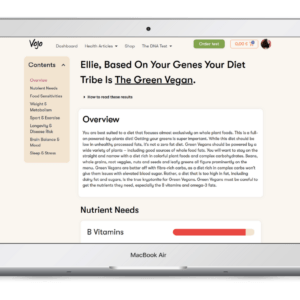
But some people are more prone to hangover anxiety than others - especially if you have gene variations such as in your COMT gene or CRF receptor gene which can increase your anxiety response. (1,2)

Read on to find out why hangovers can trigger anxiety and how to stop hangover anxiety through nutrition, lifestyle and supplements.

How To Stop Hangover Anxiety: GABA and Glutamate

man, alcohol, hangover-428392.jpg

Many of the harmful side-effects of drinking are produced by alcohol and its metabolite, acetaldehyde. (3)

Before we get into the evidence-based natural ways to stop hangover anxiety, you need a bit of background on GABA and glutamate.

GABA is your brain’s main relaxing neurotransmitter. It makes you feel chilled, uninhibited and happy. Alcohol increases GABA levels while you’re actually drinking. (4)

Glutamate has the opposite effect - it has a stimulating effect on your brain and can trigger anxiety if your glutamate levels are high while your GABA levels are low.

Basically, our GABA and glutamate levels must always be in balance with one another to feel good.

Well, what comes up must come down! The day after drinking alcohol, your GABA levels crash but your glutamate levels are relatively high. In order to stop hangover anxiety your GABA-glutamate levels must be balanced.

So, what are the top evidence-based ways to restore your GABA-glutamate balance and stop hangover anxiety? Let’s get to it!

9 Ways to Combat Hangover Anxiety Naturally

You can actually just buy GABA as a supplement and take it directly. But this isn’t always effective as GABA can’t cross the blood-brain-barrier very well, so it’s better to actually encourage your body to synthesise more GABA itself.

Foods

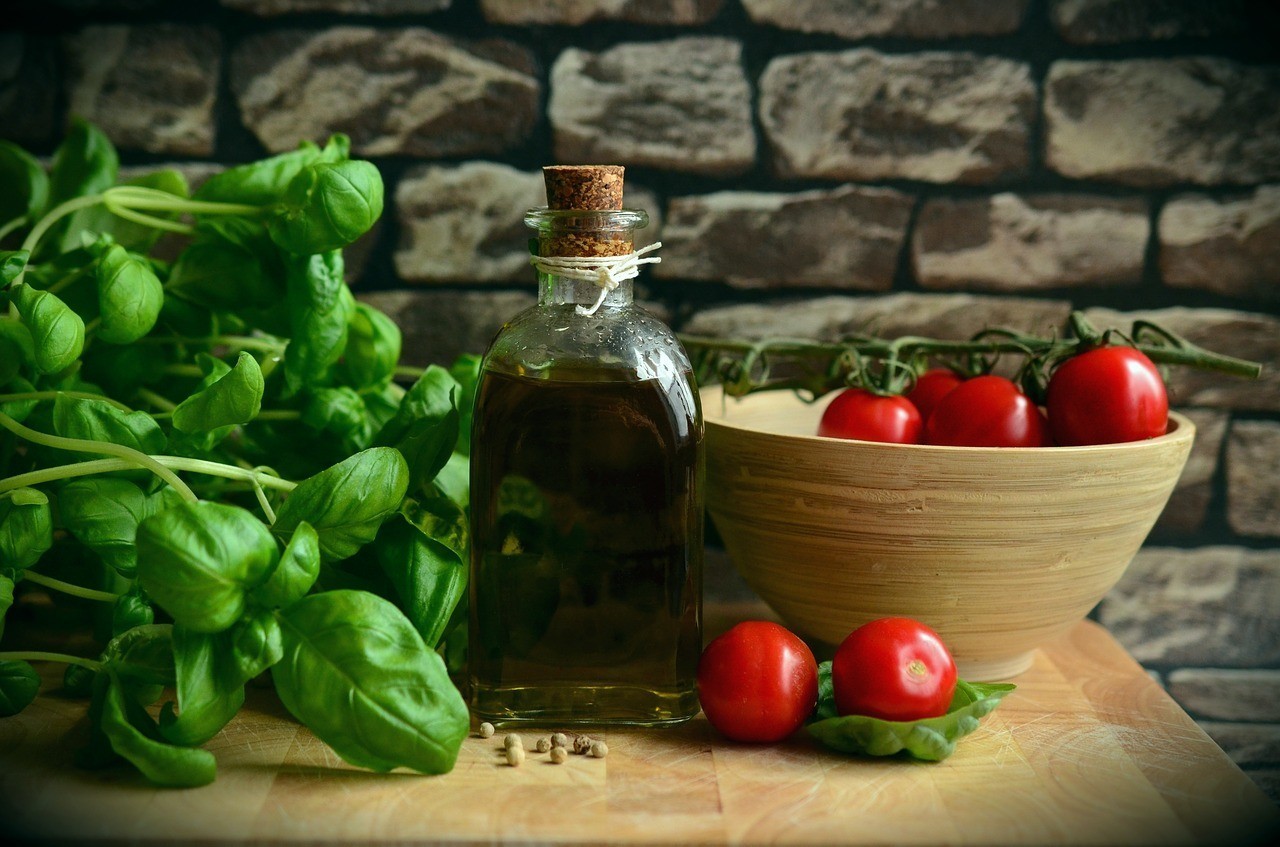
olive oil, tomatoes, basil-1412361.jpg

Your body needs the amino acid glutamine to make GABA. So one of the best ways to get GABA in your diet is to eat an abundance of the plant foods that contain glutamine.

Glutamine-rich foods include whole grains, nuts, cruciferous vegetables, bananas, beans, peas, tomatoes, spinach, mushrooms, sprouted grains and fermented foods (kefir, yogurt, tempeh, kimchi, etc.)

Green tea also provides L-theanine, which can help with GABA synthesis.

Supplements

medicine, tablets, pills-1572986.jpg

1. L-theanine

L-theanine (N-ethyl-L-glutamine) or theanine is a major amino acid uniquely found in green tea. L-theanine has been historically reported as a relaxing agent, prompting scientific research on its pharmacology. Studies suggest that L-theanine increases brain serotonin, dopamine, GABA levels. (5)

2. Magnesium

Magnesium supplements have a calming effect - especially for those with the COMT gene which makes them more sensitive to stress.

Magnesium administration decreases anxiety, panic and phobia and ameliorates the attention deficit and sleep disorders. Among other things, magnesium acts mainly by reducing glutamate release and increasing GABA release. (6,7)

Magnesium bisglycinate is best because it’s one of the only forms of magnesium which can cross the blood-brain-barrier. So if you’re feeling anxious after a night of drinking (or in general) try taking 1-2 500 mg magnesium bisglycinate supplements per day.

3. L-Cysteine

L-cysteine prevents or alleviates hangover, nausea, headache, stress and anxiety. For hangover related nausea and headache positive results were apparent with the L-cysteine dose of 1200 mg and for stress and anxiety with the dose of 600 mg. (8)

L-Cysteine might help because it’s one of the three amino acids you need to make ‘glutathione’ - your body’s chief antioxidant which is very important for hangover recovery. (9)

Cysteine may also balance out glutamate levels which is an ‘excitatory’ neurotransmitter which can be increased during a hangover. (10) This is because while alcohol itself increases GABA levels, the ‘rebound’ effect of that the next day can be low GABA and high glutamate.

4. Valerian

You may have heard that people drink valerian tea to help them sleep. That’s because of the GABA-inducing effects of valerian root, relaxing you and helping you relax into sleep mode.

Actually, valerian extracts have been used for centuries to alleviate restlessness and anxiety - albeit with an unknown mechanism of action.

But we now know that valerenic acid and valerenol, common constituents of valerian, bind to GABA receptors and enhance the response to GABA. (11)

5. Lemon Balm

Animal studies suggest that lemon balm can have anxiolytic-like effects under moderate stress conditions. (12)


Lifestyle

women, yoga class, fitness-1179435.jpg

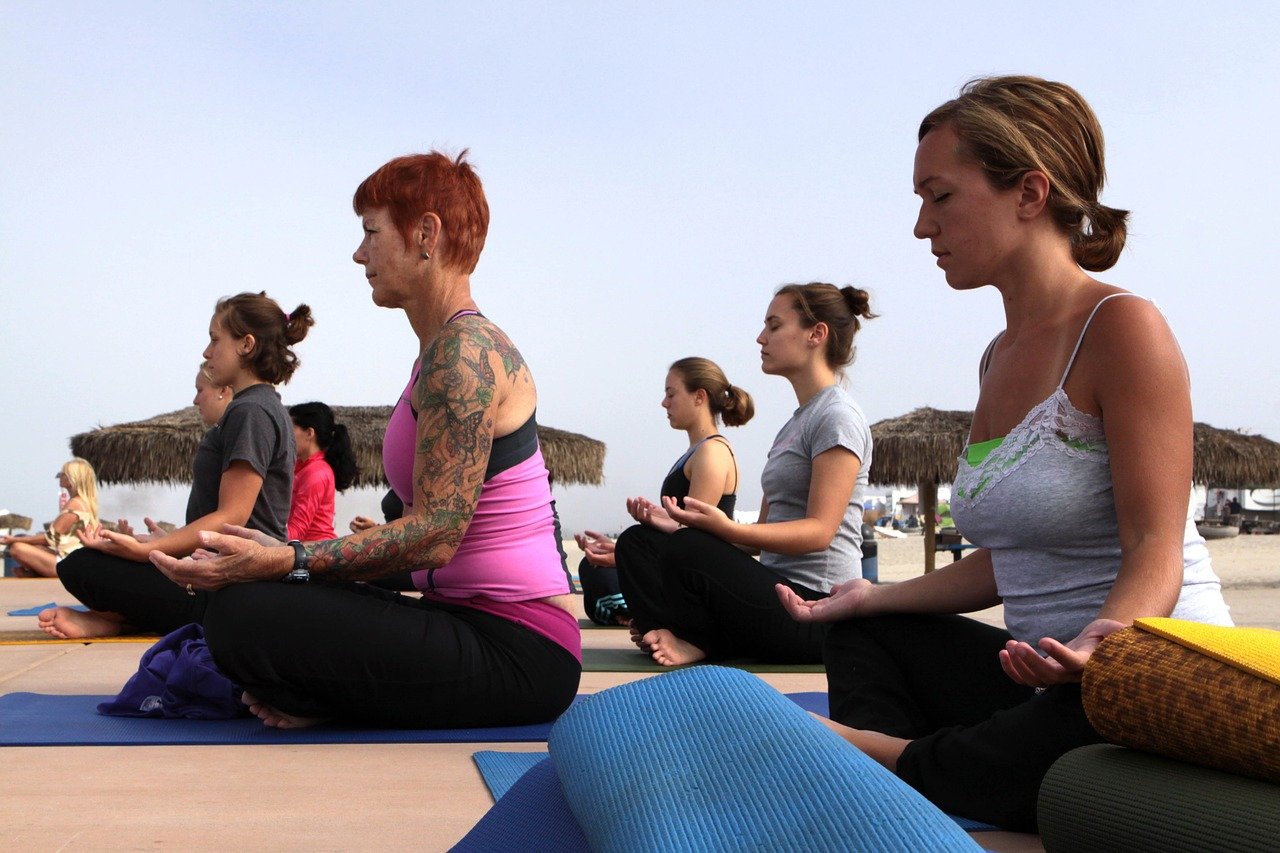
6. Yoga

The practice of yoga postures is associated with increased brain GABA levels.

One study found there was a 27% increase in GABA levels in people after a 60-minute yoga session! (13)

When compared to walking, one study found that after 12 weeks of doing either yoga or walking 3 times per week, the yoga subjects reported greater improvement in mood and greater decreases in anxiety than the walking group. (14)

7. Sleeping in a dark room until recovered

Studies show that alcohol can really put your circadian rhythm out of whack which contributes to hangover anxiety. It’s been shown in animals that staying in a dark room while hungover significantly reduces the symptoms of hangover - including anxiety - and may lead to a faster recovery. (15)

So, if you can, get black-out curtains, keep them drawn and have a lie-in until you feel better!

8. Visit nature

Anxiety is more prevalent in people who live in cities compared to those who live outside of city environments. City-living is associated with increased amygdala activity - which can negatively affect stress levels and perpetuate anxiety. (16)

If you can, get out of the city and visit somewhere in nature the day after drinking alcohol to ease your hangover anxiety.

9. Exercise!

Exercise improves stress-coping and lowers anxiety.

Unfortunately you can’t just exercise when you’re hungover and expect miracles though…

Studies suggest that long-term regular exercise is actually what you need to reduce your anxiety levels.

Long-term voluntary exercise enhances GABA synthesis in your brain. Thus, regular performance of exercise results in extensive changes in the forebrain GABAergic system that may be implicated in the changes in stress sensitivity and emotionality observed in exercising subjects. (17)

How To Stop Hangover Anxiety: The Bottom Line

If you tend to experience hangover anxiety there are evidence-based ways to reduce anxiety through nutrition, lifestyle and natural supplements.

So you can enjoy a drink or two without worrying about anxiety the next day!

Remember - everyone is different. Some people are more genetically prone to hangover anxiety than others, so it’s important not to compare yourself to your friends and family when drinking.